What to Look for in a MagSafe Phone Stand Before You Buy One
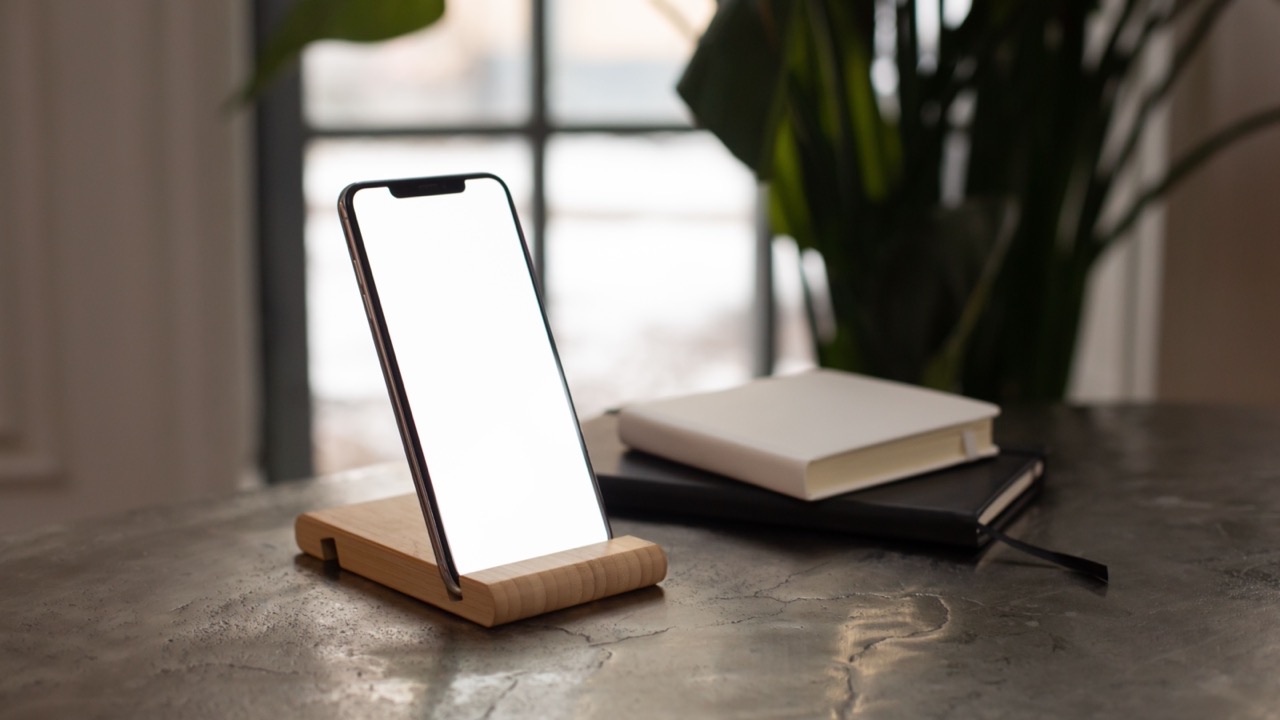
MagSafe phone stands have proliferated quickly over the past couple of years, and the price range is wild — you can find options from under $15 to over $80 for what is, on the surface, a simple device that holds your phone upright. The difference in price sometimes reflects real differences in quality, and sometimes doesn’t. Knowing what actually matters in a stand helps you avoid paying too much for things that don’t affect the experience, or paying too little for a stand that fails at the one job it needs to do.
Here’s what’s worth paying attention to, and what you can safely ignore.
Magnet strength: the only spec that matters for attachment
The core function of a MagSafe stand is magnetic attachment. If the magnets aren’t strong enough, the phone slips when you tap the screen, slides when you adjust the angle, or falls off entirely when the desk vibrates. This sounds obvious, but it’s where cheaper stands frequently cut corners.
The problem is that manufacturers don’t standardize on how they report magnet strength, so you can’t rely on a single number to compare options. What you can do is look for stands that explicitly state compatibility with the full MagSafe ecosystem — not just “works with MagSafe” but compatibility that’s been tested against the resistance needed for single-handed removal. A stand that requires two hands to remove the phone (one hand to hold the stand, one to pull the phone) has magnets that are proportionate; a phone that slides off with a light tap does not.
In practice, reviews are more reliable than specs here. If multiple reviewers mention the phone feels secure at an angle or after tapping the screen, the magnets are adequate. If they mention the phone shifts during use, they’re not.
Angle adjustability: fixed vs. adjustable
Some MagSafe stands hold the phone at a single fixed angle — usually around 60 degrees from horizontal. Others have a hinge or ball joint that lets you dial in the exact viewing angle you want.
Fixed angle stands are simpler and often more stable — there’s nothing to loosen over time. They work well if you have one primary use case for the stand and you know that a 60-degree upright angle suits it. Desk charging, FaceTime calls, following a recipe while cooking — a fixed stand handles all of these fine.
Adjustable stands are better if you use the stand for varied tasks or if the fixed angle doesn’t work with your desk setup. A stand positioned at a high desk needs a different angle to be comfortable than one at seated eye level. The tradeoff is that adjustable hinges can loosen with use, and on cheap stands, the phone can slowly tilt over the course of a day.
The hinge quality in an adjustable stand matters more than the range of adjustment. A hinge that stays put at 45 degrees is more useful than one that can go from flat to vertical but creeps from 60 to 90 degrees over an hour.
Base weight and footprint
A MagSafe stand that falls over when you remove the phone defeats the purpose of using MagSafe in the first place — the whole point is single-handed removal. The base needs to be heavy enough relative to the stand height and arm length to stay put when you pull the phone away.
Tall stands with long arms and light bases are the worst offenders. A stand where the base weighs more than the arm assembly will stay put; a stand where the arm overhangs the base significantly is prone to tipping. This is worth thinking about before buying based on appearance alone — a visually sleek stand with a small, light base often has stability problems that a chunkier-looking stand with a wider base doesn’t.
Footprint matters for desk space. A stand with a very wide base is stable but takes up room. If your desk is already crowded, a smaller-footprint stand with good weight distribution is worth looking for specifically.
Charging pass-through: useful for some setups, irrelevant for others
Some MagSafe stands are just stands — they hold the phone but don’t charge it. Others have a MagSafe charging puck built in, so the phone charges while it sits in the stand. A third category has a USB-C port on the base so you can run a cable from the stand to the phone for charging, without a built-in puck.
Whether you need charging pass-through depends on how you use the stand. If it’s at your desk and you want your phone charged while you work, a stand with built-in charging is genuinely useful and reduces the cables on your desk. If you’re using the stand at a bedside or in a spot where charging isn’t a priority, the extra cost of a charging stand isn’t worth it.
The thing to be careful about is that MagSafe charging pass-through adds cost and requires a power cable running to the stand. A stand that claims to charge at full 15W MagSafe speed also needs to be connected to a power adapter that can supply enough wattage — most stands don’t include the adapter, and underpowering the charger gives you slower-than-rated speeds.
Build material and feel
Aluminum and stainless steel stands feel substantially better than plastic and tend to be more stable due to the weight. They also tend to cost more and scratch easily if you’re rough with them. Plastic stands that use a weighted base (sometimes with metal inserts) can be stable without the premium feel.
The contact point between the stand and the phone deserves attention specifically. A hard plastic or metal MagSafe puck surface that the phone attaches to directly can pick up micro-scratches on the phone’s back glass over time, especially if grit gets between the phone and the stand. A silicone or soft-coated contact area is better for the phone’s finish during daily attachment and removal cycles.
What to actually buy
The most important things to get right are magnet strength and base stability. Everything else — angle adjustability, materials, charging pass-through — matters depending on your specific use case. A stand that holds the phone firmly and doesn’t tip when you grab the phone is a good stand regardless of price. One that fails either of those tests is a bad stand regardless of how well it’s marketed.
Reading actual user reviews for the specific scenario you’re buying for — desk charging setup, kitchen recipe reference, bedside stand — is more useful than comparing spec sheets, because the specs that matter most are the ones manufacturers are least likely to state clearly. The peakzooc magsafe phone stand is worth looking at alongside the spec questions above, particularly if base stability and charging pass-through are both priorities for your setup.